


Process · 29 July 2026 · 5 min read
Planning a full property refurbishment: the order that saves money
Most refurbishment overspend is a sequencing problem, not a materials problem. Here is the order that keeps a project honest.
Refurbishment budgets are rarely broken by the price of a tile. They are broken by decisions made in the wrong order, which force work to be undone and redone.
1. Fix the scope before pricing
A price against a vague scope is a guess. Agree what is being removed, what is being installed and to roughly what specification, then price it. Everything after that becomes a variation you can see rather than a surprise.
2. Settle structure and layout next
Any wall being removed or formed, any opening being made, any room changing use — decide it before services are planned. Structural decisions taken late are the single most expensive category of change.
3. Choose the fixed items early
Kitchen layout, sanitaryware, radiator positions and lighting all dictate where pipes and cables run. Choosing them late means first fix is either delayed or done twice.
- Kitchen and utility layout
- Bathroom sanitaryware and shower type
- Lighting plan and switching
- Heating positions and floor build-ups
4. Leave finishes until the fabric is right
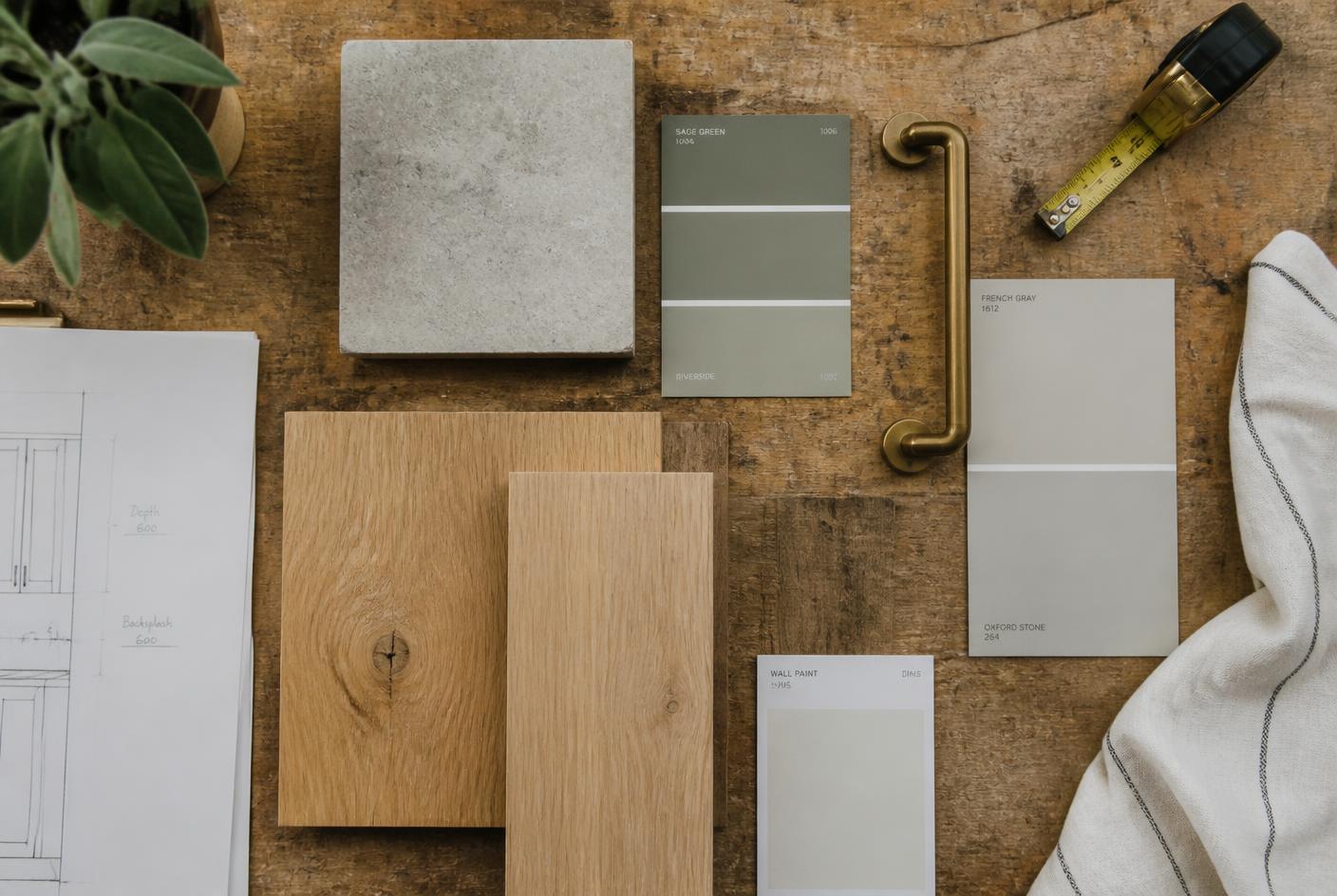
Paint colour is the easiest decision to defer and the most tempting to make first. Once plaster is flat and joinery is in, colour choices become far easier because you can see the light in the room.
5. Build snagging into the programme
Snagging is not an admission of failure; it is the stage where a good finish is confirmed. Allow time for it rather than letting it collide with a move-in date or a marketing launch.