


Investment · 30 June 2026 · 4 min read
Refurbishing an investment property: what actually returns
Not every pound spent on a rental or resale property comes back. A short view on where refurbishment spend tends to earn its place.
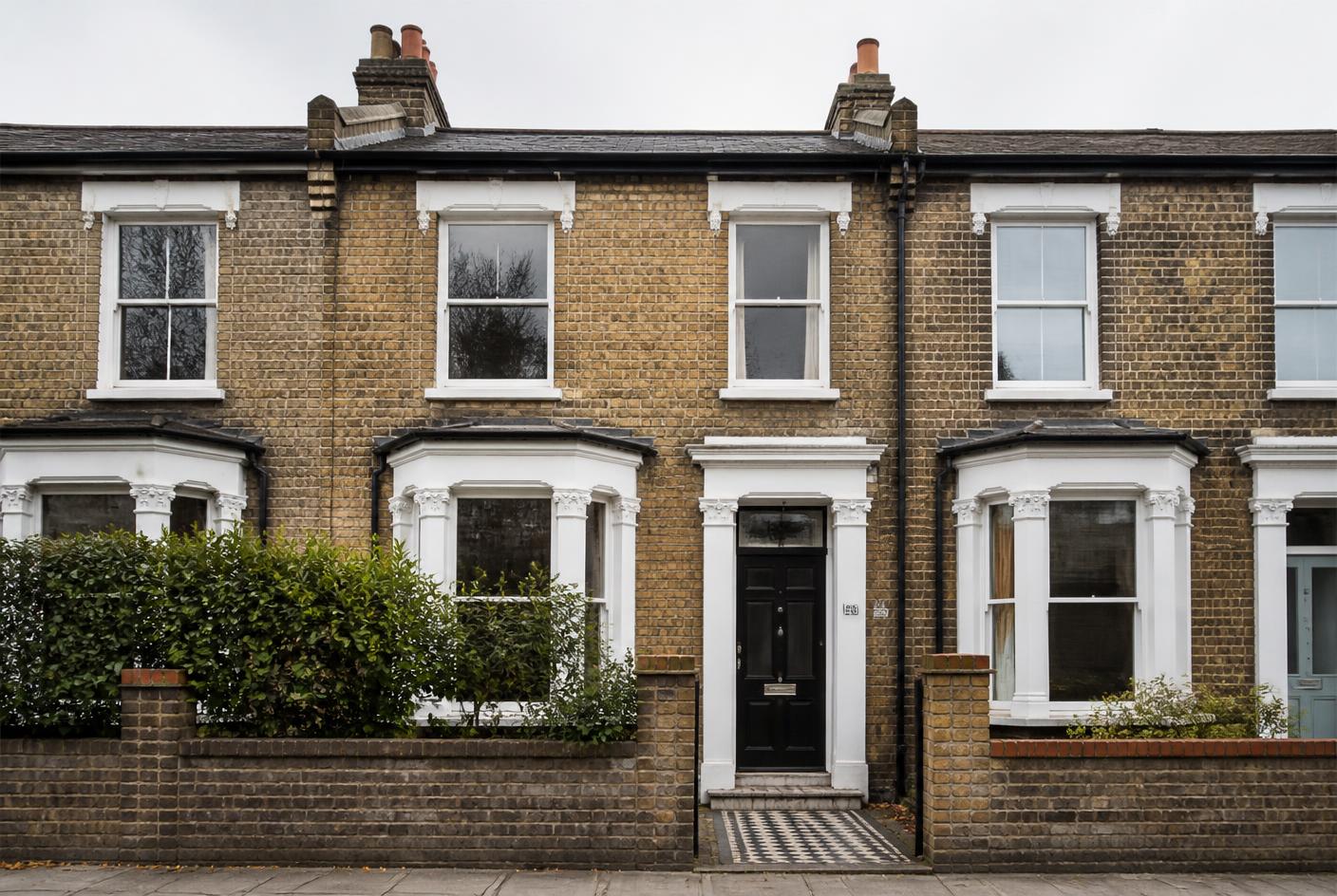
Investment refurbishment is a different exercise from renovating your own home. The question is not what you like; it is what a tenant or buyer will pay for, and how long it will last between tenancies.
Layout usually beats finish
Adding a usable bedroom, a second bathroom or a proper utility typically changes the achievable figure more than upgrading a specification that was already adequate.
Durability is a financial decision
In a rental, the cheapest floor is rarely the cheapest floor. Finishes that survive turnover reduce void periods and repeat costs, which is where the actual return sits.
- Hard-wearing flooring in circulation areas
- Wipeable, repairable wall finishes
- Simple, serviceable brassware and fittings
- Neutral finishes that do not date within one tenancy cycle
Consistency reads as quality
A property finished consistently — same handles, same paint, same tolerances throughout — is perceived as higher spec than one with an expensive kitchen and mismatched everything else.
Programme is money
Every extra week is a week of finance, void or holding cost. Coordinating trades under one contractor exists precisely to protect against gaps between them.